


Influencer Marketing Has Changed, Not Disappeared.
Influencer marketing still works in 2026, but not in the way many hotels have historically approached it. The rise of AI-generated content, synthetic models, and automated UGC has flooded digital platforms with polished visuals. As a result, reach alone no longer translates into trust or conversion.
For boutique hotels, influencer marketing now succeeds when it prioritizes presence over scale and credibility over visibility.
Authentic Presence Is the New Currency
Travelers are increasingly skeptical of content that feels transactional or disconnected from reality. What resonates today is lived experience. Influencers who spend meaningful time on property, interact with staff, and experience the destination create content that feels grounded and believable. This type of presence is particularly valuable in AI-powered search environments, where sentiment, narrative consistency, and authenticity influence visibility.
Fewer Partnerships, Deeper Impact
Rather than spreading budgets across multiple creators, high-performing boutique hotels are focusing on fewer, more intentional partnerships. These collaborations are designed to integrate creators into the brand story rather than treat them as external amplifiers.
From a management perspective, this approach delivers more consistent messaging and more reusable content across owned and paid channels.
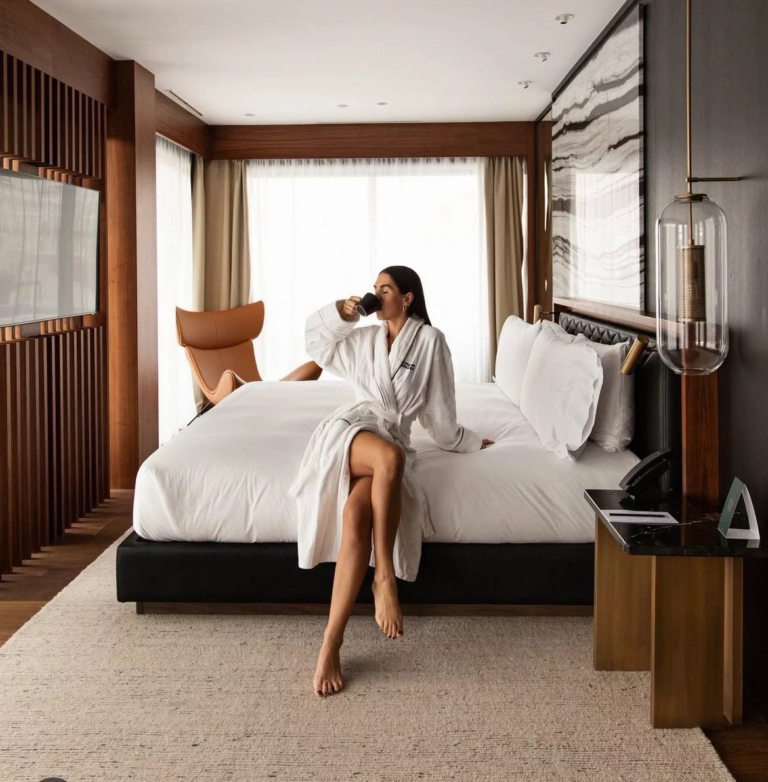
Influencer Content Feeds the Entire Marketing Ecosystem
Influencer marketing in 2026 does not operate in isolation. Content created through creator stays often supports social media, paid campaigns, website storytelling, and even AI-driven search visibility. This makes alignment with broader social strategy essential
Measurement Has Shifted From Reach to Relevance
Performance is no longer measured solely through impressions or follower counts. Boutique hotels are increasingly tracking engagement quality, saves, shares, brand search lift, and assisted conversions. These indicators better reflect how influencer content supports awareness and demand over time. This shift enables more meaningful evaluation of ROI and long-term brand impact.
What This Means for Boutique Hotel Leaders
For boutique hotels marketing, the takeaway is clear. Social media success in 2026 comes from fewer, stronger content pillars, a defined visual language, and storytelling that reflects the real guest experience. When social content feels aligned and intentional, it becomes a measurable contributor to awareness, trust, and bookings.
From creator selection to content integration, Incanti Hospitalithy help boutique hotels design influencer strategies rooted in authenticity and relevance
Let’s create a partnership that strengthens your brand and supports long-term visibility.
